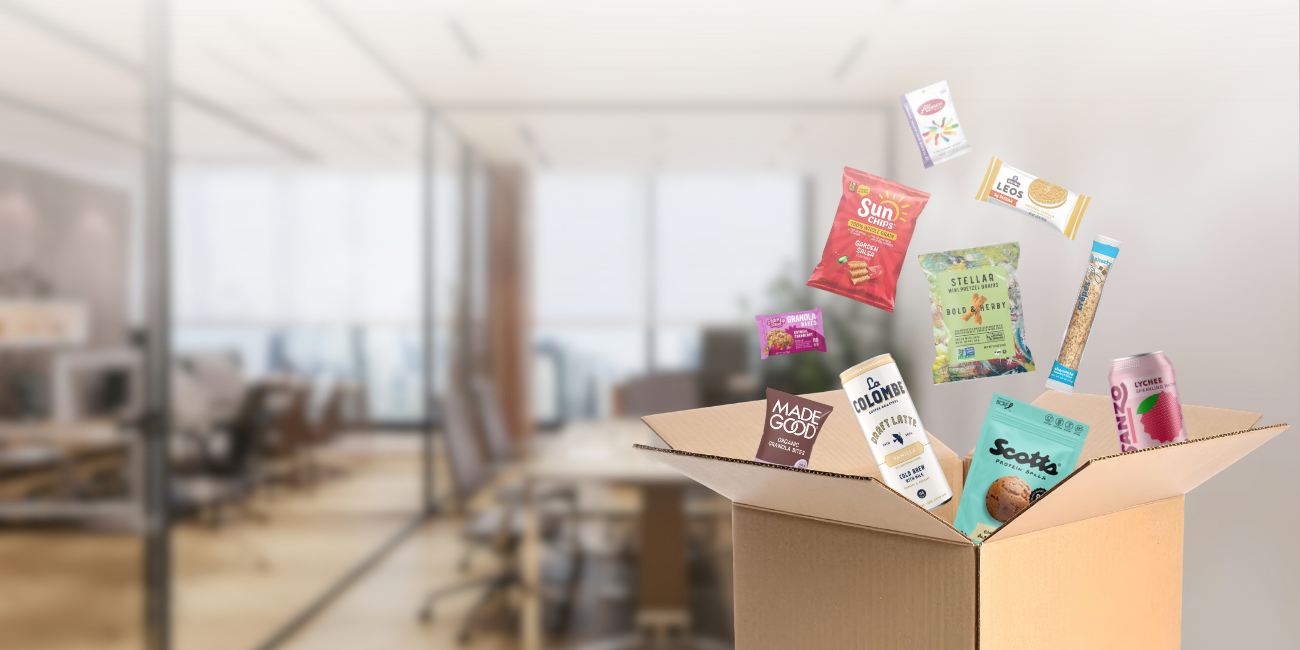
From Cold Brew to Wellness Drinks: Break Room Beverage Trends Shaping Modern Offices
Quick Summary
Office beverage programs are evolving beyond basic coffee and soda. Cold brew, sparkling water, functional beverages, premium tea, plant-based options, and lower-sugar choices are transforming break rooms while giving employees more convenient ways to recharge, connect, and personalize their workday.
Break room beverage trends are reshaping workplaces as companies rethink what employees expect from office amenities. A basic pot of coffee and a few bottled sodas no longer reflect the variety of tastes, work schedules, and wellness priorities across today’s teams.
Modern beverage stations combine familiar favorites with cold brew, sparkling water, functional drinks, premium tea, and lower-sugar choices. The objective is not simply to add more products. It is to create a carefully selected mix that feels convenient, current, and relevant throughout the workday.
This shift reflects broader changes in workplace culture. Hybrid schedules, greater attention to employee experience, and increasing interest in health-conscious choices have made the break room a more important space. A thoughtfully planned beverage selection can turn a quick refill into a welcome pause, a casual conversation, or an opportunity to recharge between meetings.
Why Beverage Choice Has Become Part of Workplace Experience
Employees often judge workplace amenities by how naturally they fit daily routines. Beverage stations are used in the morning, during afternoon slumps, before meetings, and after commutes.
When the selection feels limited or outdated, the space can seem like an afterthought.
When it offers quality, variety, and dependable availability, it becomes a practical benefit that employees notice every day. It serves different schedules, roles, and generations.
Cold Brew Moves Beyond a Seasonal Treat
Cold brew has moved from summer novelty to year-round workplace staple. Its smooth flavor, lower perceived acidity, and ready-to-drink convenience make it appealing during busy mornings and warmer afternoons. It can be offered in cans, bottles, concentrate formats, or draft systems, depending on office size and available refrigeration.
Traditional hot coffee still anchors many beverage programs, but cold brew adds a different experience without replacing it. Offering both formats gives employees flexibility and makes the station useful across seasons. Draft options can create a café-style moment, while packaged formats simplify storage and portion control.
Functional Drinks Bring Wellness Into the Break Room
- Hydration With a Purpose
Wellness drinks are expanding beyond plain water. Electrolyte beverages, coconut water, protein drinks, kombucha, and prebiotic sodas appeal to employees who connect refreshment with hydration, digestion, recovery, or sustained energy.
These products often attract interest because they feel more purposeful than conventional soft drinks.
- Lower Sugar and Cleaner Labels
Interest in lower-sugar beverages continues to influence purchasing decisions.
Unsweetened iced tea, flavored sparkling water, lightly sweetened juices, and zero-sugar alternatives can sit alongside traditional favorites. A balanced mix recognizes that some employees want indulgence while others look for simpler ingredient lists or fewer calories.
The broader category of cold beverages now includes far more than soda and bottled water. This gives offices room to build a cooler assortment that feels varied without relying heavily on high-sugar products.
Tea, Sparkling Water, and Plant-Based Options Gain Ground
Tea has become an important all-day alternative because it can offer caffeine, calm, warmth, or refreshment depending on the variety.
Black and green tea suit morning routines, while herbal blends work well later in the day. Iced tea and botanical drinks extend the category into the cooler, creating continuity between hot and cold choices.
Sparkling water has also become a core office option rather than a premium extra. It offers carbonation without the sweetness of soda and pairs easily with lunch or meetings. Plant-based milks add another layer of flexibility, allowing employees to customize coffee, tea, and cocoa while accommodating different dietary preferences.
Premiumization Is More About Choice Than Luxury
A premium beverage program does not require expensive products in every category. Premiumization often comes from freshness, presentation, reliable stocking, and a few distinctive choices.
A locally roasted coffee, a rotating cold brew, or a seasonal tea can make the selection feel considered without dramatically increasing complexity.
Smart Equipment and Easy Access Shape Adoption
Equipment affects which drinks employees actually use. Bean-to-cup machines, single-cup brewers, sparkling water dispensers, and kegerators can expand choice while reducing preparation time. The right setup depends on headcount, peak demand, available space, cleaning needs, and the level of customization employees expect.
How Offices Can Build a Balanced Beverage Mix
A balanced program usually starts with dependable staples, then adds targeted variety.
Hot coffee, tea, still water, and sparkling water create a foundation. Cold brew, functional drinks, juice, and seasonal products can rotate around that core based on employee interest and actual consumption.
Feedback should be paired with usage data. Employees may request many new products, but ordering patterns reveal which choices deserve permanent space. Reviewing waste, stockouts, and seasonal demand helps keep the program interesting while controlling cost and reducing clutter.
A Better Beverage Mix Can Strengthen Daily Culture
Modern offices are using beverages to create meaningful moments throughout the workday.
Cold brew adds convenience, wellness drinks reflect evolving employee priorities, and a wider variety helps more people feel represented. The most successful beverage programs stay flexible, organized, and responsive to employee preferences instead of chasing every new trend.
Keeping pace with break room beverage trends helps companies create break rooms that remain practical, welcoming, and relevant.
FAQs
Cold brew, sparkling water, functional beverages, premium tea, lower-sugar drinks, and plant-based milk alternatives are among the most visible trends. Their popularity comes from convenience, variety, and alignment with changing wellness preferences.
Core favorites can remain available throughout the year, while seasonal or trend-driven products may rotate every one to three months. The best schedule depends on office attendance, storage capacity, consumption, and employee feedback.
A balanced cooler can include familiar sodas and juices alongside sparkling water, unsweetened tea, electrolyte drinks, and lower-sugar alternatives. This approach respects different preferences without framing one category as the only acceptable choice.
Premium beverages can improve the daily experience when they are convenient, well stocked, and relevant to employee preferences. The benefit comes less from price and more from thoughtful choice, consistent quality, and an inviting break room environment.